Corporate Performance Dashboard 291555984, 641389221, 822106024, 656941669, 258313610, 5136961920

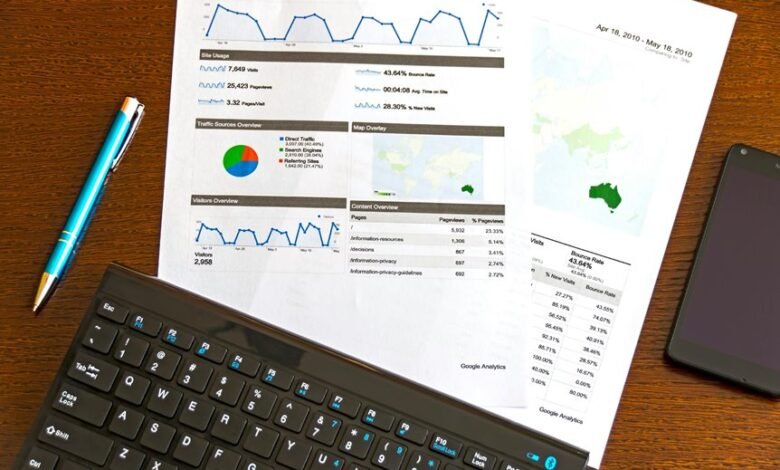
Corporate performance dashboards 291555984, 641389221, 822106024, 656941669, 258313610, and 5136961920 serve as pivotal tools in modern organizational management. These dashboards offer customizable interfaces that enhance data visualization, allowing stakeholders to assess performance metrics effectively. Their integration can lead to improved decision-making processes. However, understanding their specific functionalities and how they can be implemented strategically remains crucial for maximizing their impact. What insights can these tools reveal about organizational performance?
Understanding Corporate Performance Dashboards
Although corporate performance dashboards are often perceived as mere visualization tools, they play a critical role in strategic management by aggregating and displaying key performance indicators (KPIs) relevant to organizational objectives.
Their dashboard usability significantly impacts decision-making efficiency, enabling stakeholders to quickly assess performance indicators.
Key Features of the Dashboards 291555984, 641389221, and 822106024
The dashboards identified by the numbers 291555984, 641389221, and 822106024 exhibit distinct yet complementary features that enhance their functionality for corporate performance management.
Each dashboard offers customizable views, allowing users to tailor data presentations according to specific needs.
Furthermore, their user-friendly interface ensures accessibility, enabling stakeholders to navigate complex information effortlessly, thereby promoting informed decision-making and fostering a culture of transparency within organizations.
Analyzing Metrics From Dashboards 656941669, 258313610, and 5136961920
When analyzing metrics from dashboards 656941669, 258313610, and 5136961920, it becomes evident that each dashboard provides unique insights critical for performance evaluation.
The identification of metric trends across these dashboards facilitates informed decision-making. Moreover, effective data visualization enhances comprehension, allowing stakeholders to grasp complex information swiftly.
Collectively, these elements empower organizations to navigate their performance landscape with greater autonomy and clarity.
Implementing Dashboards for Enhanced Decision-Making
Effective implementation of dashboards significantly enhances decision-making processes within organizations.
By adhering to dashboard best practices, such as ensuring clarity and relevance, organizations can improve user engagement.
Additionally, employing advanced data visualization techniques facilitates the intuitive comprehension of complex data.
This structured approach not only empowers stakeholders but also fosters a culture of informed decision-making, ultimately driving organizational success and agility.
Conclusion
In the realm of corporate navigation, the dashboards serve as guiding stars, illuminating the path to informed decision-making. Each dashboard, distinct yet interconnected, offers a compass for organizations to chart their course amidst the complexities of performance metrics. By harnessing these tools, stakeholders transform raw data into actionable insights, fostering a culture of transparency and responsiveness. Ultimately, the synergy of these dashboards crafts a robust framework, empowering organizations to thrive in their pursuit of success.