Detailed Caller Report: 3307757328, 3307895128, 3309133963, 3309616815, 3323222559, 3323781074

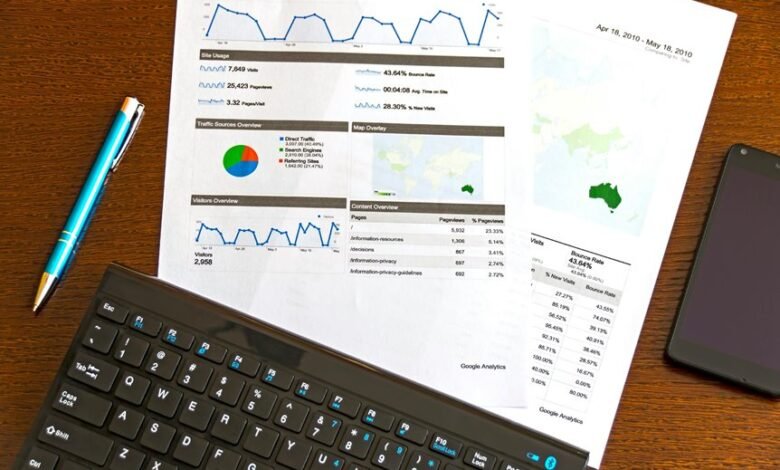
The detailed caller report of six specific numbers reveals significant insights into caller behavior and intent. Each number displays distinct patterns in call frequency and type, suggesting a mix of automated systems and legitimate contacts. This analysis is essential for identifying potential risks associated with unknown callers. Understanding these nuances could influence how individuals manage such communications, raising questions about the implications for personal security and effective decision-making in call handling.
Caller Identification and Background
Caller identification and background play a crucial role in assessing the credibility and intent of incoming communications.
Analyzing caller characteristics, such as location and frequency, alongside their motivations—be it personal, commercial, or malicious—enables recipients to discern legitimate contacts from potential threats.
This discernment is essential for safeguarding individual autonomy and ensuring informed decision-making in an increasingly interconnected world.
Types of Calls and Common Patterns
While the nature of incoming communications varies widely, certain types of calls and common patterns emerge that can provide insights into their purpose and potential implications.
Notably, higher call frequency often indicates automated systems, which necessitate effective spam detection.
Analyzing these patterns aids in discerning legitimate inquiries from unsolicited solicitations, ultimately empowering individuals to navigate their communication landscape with greater autonomy and discernment.
Recommendations for Handling Unknown Calls
When faced with unknown calls, individuals should adopt a systematic approach to manage their responses effectively.
Implementing call blocking features can significantly reduce unwanted disruptions. Additionally, voicemail screening allows users to assess caller intent without immediate engagement.
This strategy not only protects personal time but also enhances security by filtering potential threats, thereby fostering a sense of freedom in communication choices.
Conclusion
In conclusion, the analysis of the caller report reveals a diverse array of communication patterns that necessitate careful scrutiny. For instance, a user receiving frequent calls from 3309133963, which was identified as automated, could enhance their security by blocking the number and reporting it as spam. This proactive approach not only protects personal information but also helps in identifying potential fraud attempts, reinforcing the importance of discerning caller intent in an increasingly complex communication landscape.