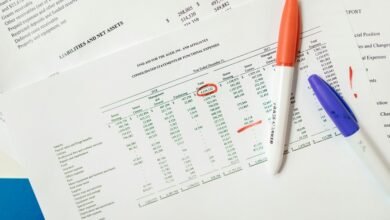
Financial Growth Indicators: 2107542151, 2107754223, 2107872346, 2109811084, 2111022680, 2111883028


Financial growth indicators such as 2107542151, 2107754223, 2107872346, 2109811084, 2111022680, and 2111883028 serve as critical tools for evaluating organizational performance. These metrics reflect various aspects of financial health, including revenue patterns and profit margins. Stakeholders rely on these indicators to guide strategic decision-making. However, the implications of each metric extend beyond mere numbers. Understanding their nuances can unlock pathways to improved financial strategies and outcomes.
Understanding the Significance of Financial Growth Indicators
Why are financial growth indicators crucial for assessing an organization’s economic health?
These indicators serve as essential tools for measuring financial performance against established economic benchmarks. By providing insights into revenue trends, profit margins, and cost efficiencies, they enable stakeholders to make informed decisions.
Understanding these metrics fosters transparency and accountability, ultimately supporting the pursuit of financial freedom and sustainable growth within the organization.
Analyzing Each Key Indicator
Financial growth indicators encompass various metrics that offer a comprehensive view of an organization’s economic performance.
By analyzing these indicators, stakeholders can identify market trends and assess investment risks effectively. Each metric provides insights into revenue fluctuations, profitability, and operational efficiency, enabling informed decisions.
A thorough examination of these indicators allows for strategic planning and enhances financial resilience in a dynamic economic landscape.
Strategies for Leveraging Financial Growth Metrics
Harnessing the power of financial growth metrics can significantly enhance an organization’s strategic decision-making process.
By implementing growth optimization techniques, organizations can identify key performance indicators, enabling effective performance tracking. This data-driven approach facilitates informed decisions that align with long-term goals.
Ultimately, leveraging these metrics empowers organizations to adapt swiftly to market changes, ensuring sustained financial stability and fostering opportunities for expansion.
Conclusion
In conclusion, financial growth indicators serve as vital tools for organizations navigating the complexities of economic performance. By thoroughly analyzing metrics like 2107542151 and 2111883028, stakeholders can uncover trends that drive strategic decision-making. As the adage goes, “What gets measured gets managed.” Therefore, adopting a systematic approach to these indicators not only enhances transparency but also facilitates the optimization of growth strategies, ultimately paving the way for sustainable financial success in an ever-evolving market landscape.