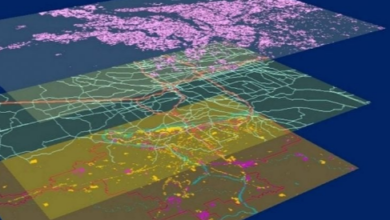
Spatial storytelling, through AR and VR, transforms traditional narratives into immersive experiences. This technique invites users to interact dynamically with their environments. As participants influence plot developments, their emotional investment deepens. Such engagement fosters diverse interpretations and personal connections. However, the exploration of this innovative approach raises questions about its implications for future storytelling. What narratives will emerge as technology continues to evolve? The answers may redefine the boundaries of storytelling itself.
The Evolution of Storytelling in Digital Media
As digital media has progressed, storytelling has undergone a remarkable transformation, evolving from traditional linear narratives to immersive experiences that engage users on multiple sensory levels.
Interactive narratives now invite audiences to participate actively, blurring the lines between creator and consumer. This shift empowers individuals, fostering a deeper connection to stories while allowing for diverse interpretations and personal experiences, ultimately redefining the art of storytelling.
Key Elements of Spatial Storytelling
Three key elements define spatial storytelling: immersion, interactivity, and environment.
Immersive environments transport users into rich worlds, enhancing emotional connections.
Interactive narratives empower individuals to influence outcomes, fostering a sense of agency and personal investment.
Read also: Spatial Mapping & Computer Vision for Real-World Use
Case Studies: Successful Applications of AR and VR in Narrative Experiences
Spatial storytelling has found compelling applications in various narrative experiences through AR and VR technologies, showcasing the profound impact of immersive and interactive elements on user engagement.
Case studies, such as “The Walking Dead: Our World” and “Wander,” demonstrate how these platforms create dynamic, user-driven narratives, allowing individuals to explore and interact with their environments, thus redefining storytelling and enhancing the potential for personalized, immersive experiences.
Conclusion
In conclusion, spatial storytelling represents a transformative shift in narrative engagement, merging technology with creativity to enhance user experiences. A notable statistic reveals that immersive storytelling can increase emotional connection by up to 70%, underscoring its potential to reshape how audiences interact with narratives. As AR and VR technologies continue to advance, they promise to deepen the personalization and interactivity of stories, paving the way for a more nuanced understanding and exploration of diverse narratives in the digital age.