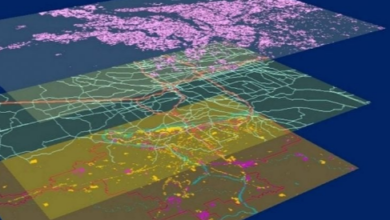
Spatial journalism transforms the news landscape through augmented and virtual reality. Audiences no longer passively consume information; they step into it. Imagine walking through a war zone or exploring a distant rainforest, all from the comfort of home. This immersive approach invites deeper emotional engagement and understanding. Yet, as these technologies evolve, questions arise about their impact on traditional journalism. What could this mean for the future of storytelling?
The Evolution of Journalism Through AR and VR
As technology advances, journalism finds itself at a transformative crossroads, where augmented reality (AR) and virtual reality (VR) reshape narratives into immersive experiences.
These innovations invite audiences to step inside stories, fostering deeper engagement and emotional connections.
No longer passive consumers, individuals become active participants, exploring dimensions of news that were previously unimagined, liberating their understanding and interaction with the world around them.
Enhancing Storytelling: How Spatial Journalism Works
While traditional journalism often confines audiences to static images and printed words, spatial journalism transforms storytelling into a dynamic, three-dimensional experience.
By utilizing immersive experiences and interactive storytelling, it invites viewers to engage deeply with narratives, exploring environments and perspectives previously unimagined.
This innovative approach liberates audiences, allowing them to navigate stories with a sense of agency and connection that transcends conventional media.
Read Also: Spatial Interfaces: From AR Glasses to Holographic Displays
The Future of News Consumption in an Immersive World
How might the landscape of news consumption evolve as immersive technologies like augmented reality (AR) and virtual reality (VR) become more integrated into daily life?
Future news will transform into immersive experiences, captivating audiences with interactive storytelling.
As engagement deepens, viewers will step into narratives, fostering a sense of presence that transcends traditional media, ultimately reshaping how information is consumed and understood.
Conclusion
As spatial journalism catapults storytelling into a realm of unparalleled immersion, it transforms news into a vivid tapestry of experience. Audiences no longer passively consume information; they plunge into narratives that resonate on a profoundly emotional level. With AR and VR as their guide, viewers embark on journeys through time and space, unraveling the complexities of news like never before. The future promises a breathtaking landscape of understanding, where every story becomes a vibrant, interactive adventure waiting to be explored.